
Decorative glass plays an important role in modern architecture and interior design. Among the many decorative glass options available today, acid etched glass is widely used because of its elegant appearance, privacy features, and ability to diffuse light.
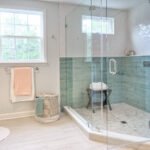
Unlike clear glass, acid etched glass has a smooth matte finish that softens light while maintaining a bright and open environment. This makes it ideal for residential, commercial, and architectural applications such as office partitions, bathroom panels, windows, and decorative furniture.
In this guide, we explain what acid etched glass is, how it is manufactured, its benefits, and where it is commonly used in modern buildings.
According to Statista (2023), the global architectural glass market is expected to reach USD 153 billion by 2030, driven in part by demand for specialty glass like etched and laminated varieties (Statista, 2023).
What is Acid-Etched Glass?
Acid etched glass is decorative glass created by applying acid to the surface of clear glass, producing a smooth, satin-like matte finish.
The process reduces transparency while still allowing natural light to pass through, making it ideal for privacy-focused architectural applications.
Key characteristics include:
- Smooth matte texture
- Soft light diffusion
- Increased privacy
- Elegant decorative appearance
- Durable surface finish
How Acid Etched Glass is Made
The manufacturing process of acid etched glass involves chemically treating the surface of clear glass to create a permanent matte finish. The result is a uniform texture that looks soft and elegant while maintaining durability.
1. Glass Surface Preparation
The glass sheet is first cleaned thoroughly to remove dust, oil, and contaminants. This step ensures that the chemical treatment produces a consistent texture across the surface.
2. Acid Application
A controlled acid solution is applied to the glass surface. The acid reacts with the glass and gently removes a thin layer of the surface, creating the signature satin-like finish.
3. Chemical Reaction
During the etching process, the acid interacts with the silica present in the glass. This chemical reaction creates microscopic surface changes that scatter light and reduce transparency.
4. Neutralization and Washing
After the etching process is complete, the glass is thoroughly washed and neutralized to remove any remaining chemicals.
5. Finishing and Quality Inspection
The glass is then inspected to ensure a consistent matte finish and smooth surface. The final product is durable, decorative glass ready for architectural and interior applications.
Clear vs. Acid-Etched Glass
| Feature | Clear Glass | Acid-Etched Glass |
| Transparency | 100% | Semi-transparent |
| Glare | High | Reduced |
| Fingerprint Resistance | Low | High |
| Applications | Windows | Partitions, doors, decor |
Key Benefits of Acid Etched Glass
Acid etched glass offers several advantages that make it a preferred material for modern buildings and interior spaces.
1. Enhanced Privacy
One of the primary benefits of acid etched glass is its ability to provide privacy without blocking natural light. The matte surface prevents clear visibility while still allowing daylight to pass through.
This makes it ideal for spaces such as:
- bathrooms
- office meeting rooms
- partitions
- windows facing public areas
2. Elegant Aesthetic Appeal
Acid etched glass has a smooth, sophisticated appearance that enhances modern interior designs. Its subtle texture adds a decorative element without overwhelming the overall design of the space.
It works well with many interior styles including:
- minimalist interiors
- contemporary architecture
- luxury residential design
- commercial office spaces
3. Soft Light Diffusion
Unlike clear glass, acid etched glass diffuses light evenly. This reduces glare and creates a comfortable indoor environment.
For example, when used in office partitions, etched glass allows natural light to flow between rooms while maintaining privacy.
4. Durable Surface Finish
The etched surface is permanent and resistant to peeling or fading. Because the finish is created chemically rather than applied as a coating, it maintains its appearance over time.
5. Fingerprint Resistance
Acid etched glass tends to show fewer fingerprints and smudges compared to clear glass, making it easier to maintain in high-traffic environments.
What Is the Difference Between Acid-Etching & Sandblasting?
Although both techniques produce a frosted effect, acid-etching and sandblasting are different processes:
- Acid-Etching: Chemical process that delivers a smooth, satin-like finish.
- Sandblasting: Mechanical process that uses high-pressure sand or grit to create a grainy, rough finish.
Read also: Top 10 Shower Enclosure Designs to Upgrade Your Bathroom in 2025
Acid-Etching vs. Sandblasting
| Aspect | Acid-Etching | Sandblasting |
| Process | Chemical (acid) | Mechanical (abrasion) |
| Finish | Smooth, satin-like | Grainy, rough texture |
| Durability | Permanent | Can wear over time |
| Cost | Moderate | Higher (labor-intensive) |
| Best For | Large-scale uniform use | Custom patterns, signage |
Examples:
- Hotels in Dubai and Las Vegas choose acid-etched glass for bathrooms and lobbies due to its uniformity and durability.
- Art studios in California use sandblasting to create customized patterns, signage, and logos on glass.
Acid-Etched Glass Applications
Acid-etched glass has a broad range of applications across industries:
Residential
Shower enclosures, bathroom doors, kitchen cabinet panels.
Commercial
Office partitions, sliding doors, meeting room dividers.
Hospitality
Hotels and spas use etched glass for decorative walls and privacy screens.
Retail
Storefronts, display cases, and fitting rooms.
Architecture
Used in facades, skylights, and curtain walls for a softer, glare-free finish.
Global Applications of Acid-Etched Glass (% Share)
- Residential – 25%
- Commercial – 30%
- Hospitality – 20%
- Retail – 15%
- Architecture/Other – 10%
The Many Possibilities of Acid-Etched Glass
The versatility of acid-etched glass makes it ideal for both functional and artistic uses:
- Custom Designs
- Company logos, artistic patterns, or decorative motifs can be added.
- Color Coatings
- Acid-etched glass can be combined with tinted or back-painted glass to create luxury interiors.
- Back-Painting
- Popular in kitchen backsplashes and feature walls.
- Combination with Laminated Glass
- Provides both safety and aesthetics, especially in public buildings.
Examples:
Burj Khalifa interiors (Dubai) incorporate etched panels for an elegant look.
Apple Stores use etched glass to maintain their minimalist, high-end brand aesthetic.
Maintenance Tips for Acid Etched Glass
Maintaining acid etched glass is relatively simple when proper cleaning methods are used.
Follow these tips:
- Clean regularly using mild glass cleaners
- Use a soft microfiber cloth to avoid scratches
- Avoid abrasive cleaning materials
- Remove water spots quickly to maintain clarity
- Ensure proper ventilation in humid areas
Regular maintenance helps preserve the smooth matte finish and keeps the glass looking elegant for years.
Conclusion
Acid-etched glass strikes the perfect balance between style, privacy, and functionality. With its smooth, satin-like surface, it has become a favorite in architecture, retail, and hospitality projects worldwide. From corporate office spaces in Bangalore to luxury hotels in Dubai and Las Vegas, acid-etched glass is shaping modern interior design.
As demand for sustainable and aesthetically pleasing building materials grows, acid-etched glass will continue to be an essential component of 21st-century design and construction.